Then and Now: Media’s Early Skepticism and AI’s Present Concerns
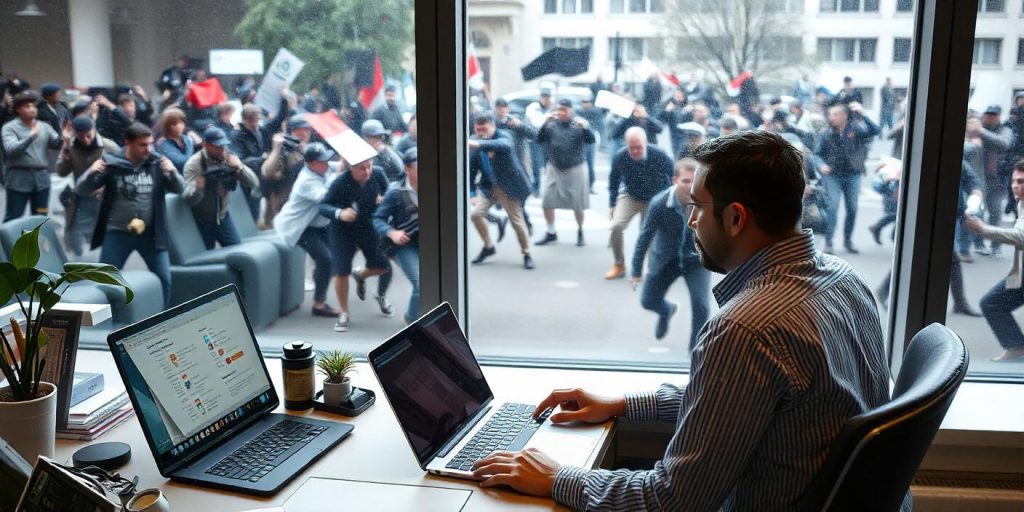
When media first began, it was met with suspicion. Newspapers, radio, and later television were viewed as powerful tools capable of manipulating public opinion. Governments feared media would spread rebellious ideas, challenge authority, or even incite revolts. Intellectuals believed media would make society passive, turning people into consumers of sensationalist content instead of critical thinkers.
In some cases, these fears were well-founded. Governments responded by restricting or censoring media, hoping to maintain control. However, as media grew more integrated into daily life, it became clear that its influence was unavoidable, though regulations helped manage its potential harms.
Fast-forward to today, and we find that similar concerns are being raised about AI. Many countries worry that AI could manipulate the general public in ways that might destabilize governments or society. For example, deepfakes—AI-generated videos that convincingly mimic real people—could spread misinformation, creating chaos during elections or political events. Personalized AI content, which tailors information based on individual beliefs, can be used to sway opinions in ways that go unnoticed by the public.
Countries that have already banned or heavily restricted social media platforms, such as China and Iran, fear AI will amplify the disruptive potential of these platforms. If left unchecked, AI could be a much more powerful force for spreading false information or organizing political unrest.
To manage these risks, governments are exploring potential regulations, such as:
- AI Accountability and Transparency: Requiring AI systems to disclose when content is AI-generated, especially in media and political messaging, to prevent manipulation.
- AI Ethics Committees: Creating independent bodies to oversee the ethical development of AI and ensure it aligns with societal values.
- Content Verification Systems: Enforcing the verification of content on social platforms, especially in political ads and news, to prevent the spread of false information.
- Limits on Personalized AI Content: Restricting AI’s ability to use personal data to manipulate opinions, particularly in politically sensitive contexts.
- International Cooperation: Encouraging global collaboration on AI standards to prevent misuse across borders.
AI, like early media, holds incredible power. It can help advance society or, if left unchecked, disrupt it. With proper regulations, governments can ensure AI serves the greater good, just as they eventually did with the media. The challenge, as always, lies in finding the balance between innovation and control.