Pranayama: The Sacred Science of Conscious Breathing
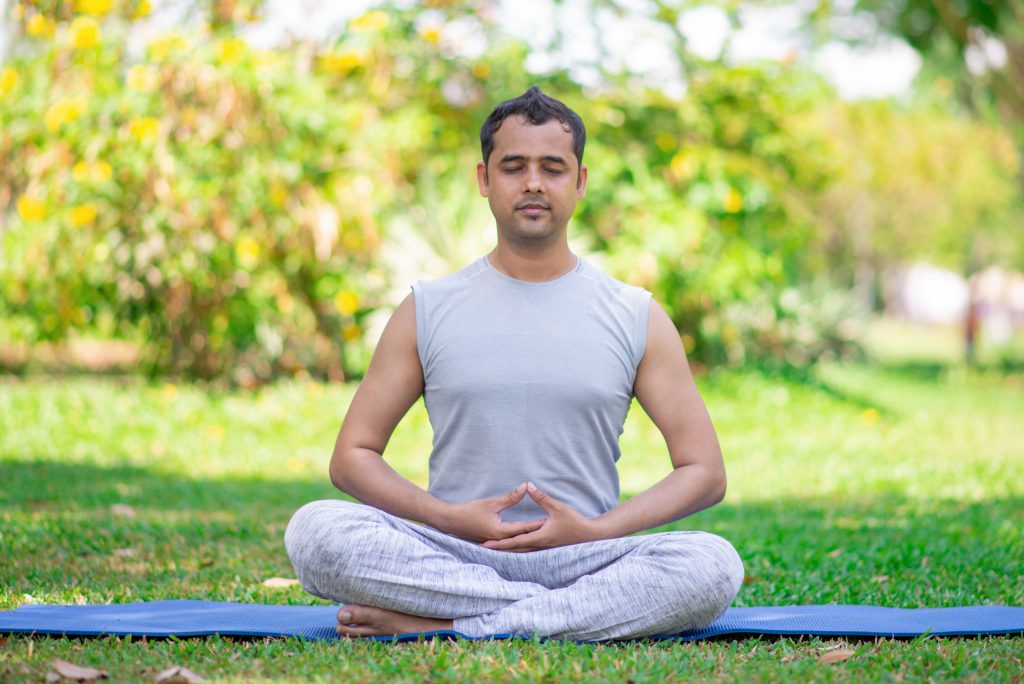
Pranayama is the ancient yogic practice of breathing with full awareness. It is more than just taking deep breaths. It is about connecting with the life force within. The word comes from Sanskrit where prana means life energy and ayama means expansion. This practice teaches us to guide and expand this energy through controlled breathing.
When we breathe automatically, we simply stay alive. When we breathe consciously, we touch a deeper level of our being. Every breath becomes an invitation to calm the mind, balance emotions, and feel closer to the energy that sustains us.
Prana is not just air. It is the subtle energy that makes a flower bloom and a heart beat. This energy flows through many invisible channels in our body. When it moves freely, we feel light, focused and clear. When it is blocked, we may feel tired, anxious or restless.
Science now confirms what yogis always knew. Slow, deep breathing activates the relaxation response in the nervous system. It reduces stress, balances the mind, and even improves heart rhythm and brain function.
You can start with simple techniques. Ujjayi, also called the ocean breath, is done by breathing slowly through the nose while slightly tightening the throat to make a soft sound. Nadi Shodhana, or alternate nostril breathing, balances both sides of the brain and brings calmness. Kapalabhati uses quick, active exhales to energize the body. Bhramari, the humming breath, creates a gentle sound that soothes the mind.
Begin with just a few minutes each day. Sit comfortably, close your eyes, and focus on steady breathing without forcing it. Over time, this practice can grow into a powerful tool for inner peace and awareness.
Pranayama is simple yet profound. It does not need special equipment or long hours. Your breath is always with you, ready to guide you back to calmness. Each conscious breath can become a step toward a healthier and more centered life.