Living Beyond the Gunas: A Journey to Inner Freedom
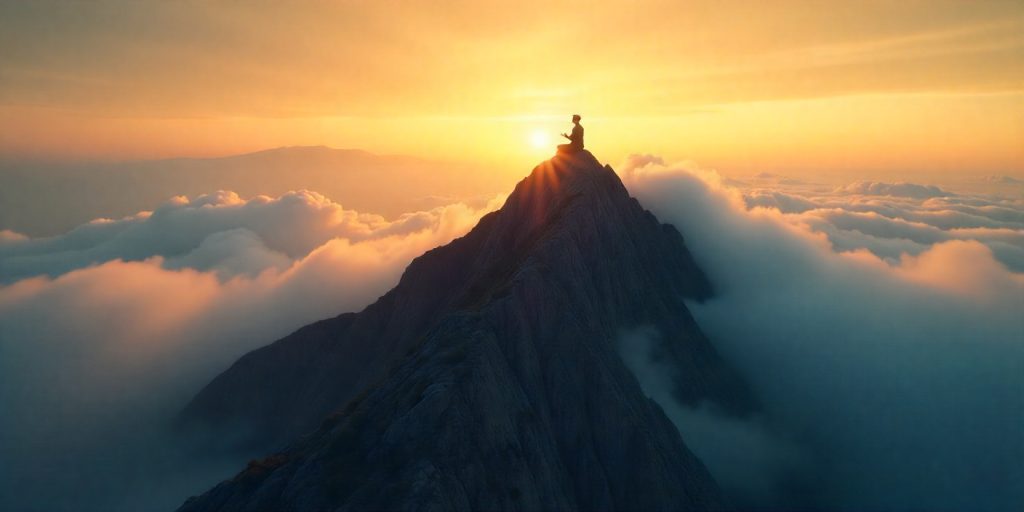
When Balance Is Not Enough
The Rigveda beautifully describes life as a dynamic dance of energies – Rajas, Tamas, and Sattva. While understanding and balancing them is crucial, the ultimate goal of Vedic wisdom is to rise beyond these forces entirely. True freedom, or moksha, comes when we are no longer pulled by restlessness, inertia, or even the attachment to purity itself. This is the journey to living beyond the Gunas.
The Three Gunas: Forces of Nature and Mind
Before we transcend them, we must understand them:
- Rajas – activity, ambition, passion, and constant movement.
- Tamas – stillness, ignorance, laziness, and resistance to change.
- Sattva – clarity, wisdom, balance, and harmony.
Each plays a role in shaping our thoughts, choices, and actions. But when any one guna dominates, we remain trapped in its cycle. Even excessive Sattva can bind us through pride in purity or attachment to virtue.
Step 1: Observe Without Judgment
The first step toward transcending the Gunas is self-awareness. Pay attention to how your moods shift throughout the day:
- Are you restless and constantly seeking stimulation? (Rajas)
- Do you feel heavy, unmotivated, or stuck? (Tamas)
- Are you calm but attached to staying in that state? (Sattva)
Observing without judgment allows you to recognize these states as passing clouds rather than permanent aspects of your identity.
Step 2: Act from a Higher Center
Once you notice the pull of the Gunas, practice acting from choice, not compulsion:
- Channel Rajas into purposeful action rather than scattered busyness.
- Transform Tamas by introducing small sparks of discipline and movement.
- Use Sattva as a platform for reflection, but do not get attached to its comfort.
This conscious participation begins to loosen the grip of these energies on your mind.
Step 3: Cultivate Detachment
The Rigveda encourages us to see life as a cosmic play. Detachment (vairagya) does not mean withdrawal but rather developing the ability to engage fully without clinging to results. When you no longer identify yourself with success, failure, or even the “I am spiritual” label, you step closer to transcendence.
Step 4: Surrender to the Infinite
Transcending the Gunas is not merely a personal effort. It is also about letting go and trusting the higher order of existence. Practices such as meditation, chanting, or silent contemplation create a bridge between the personal self and the universal consciousness.
The Result: Inner Freedom
When you live beyond the Gunas, you experience:
- Equanimity – peace regardless of external circumstances.
- Clarity – a mind that is free from compulsive cycles.
- Joy – happiness that does not depend on pleasure, success, or recognition.
This is the state of being the Rigveda points toward – a life where the self shines in its pure, unconditioned brilliance.
Conclusion: The Journey Continues
Living beyond the Gunas is not a one-time achievement but a gradual unfolding. By observing your inner states, acting consciously, and surrendering to the infinite, you walk the path toward lasting freedom. This is not an escape from life but the highest participation in it—free from fear, craving, and inner conflict.